
Riverside Treatment Reviews
The same flush asks a different question each season
Note the date you first saw it.
Bring that date to every later appointment.
Compare one summer with the next.
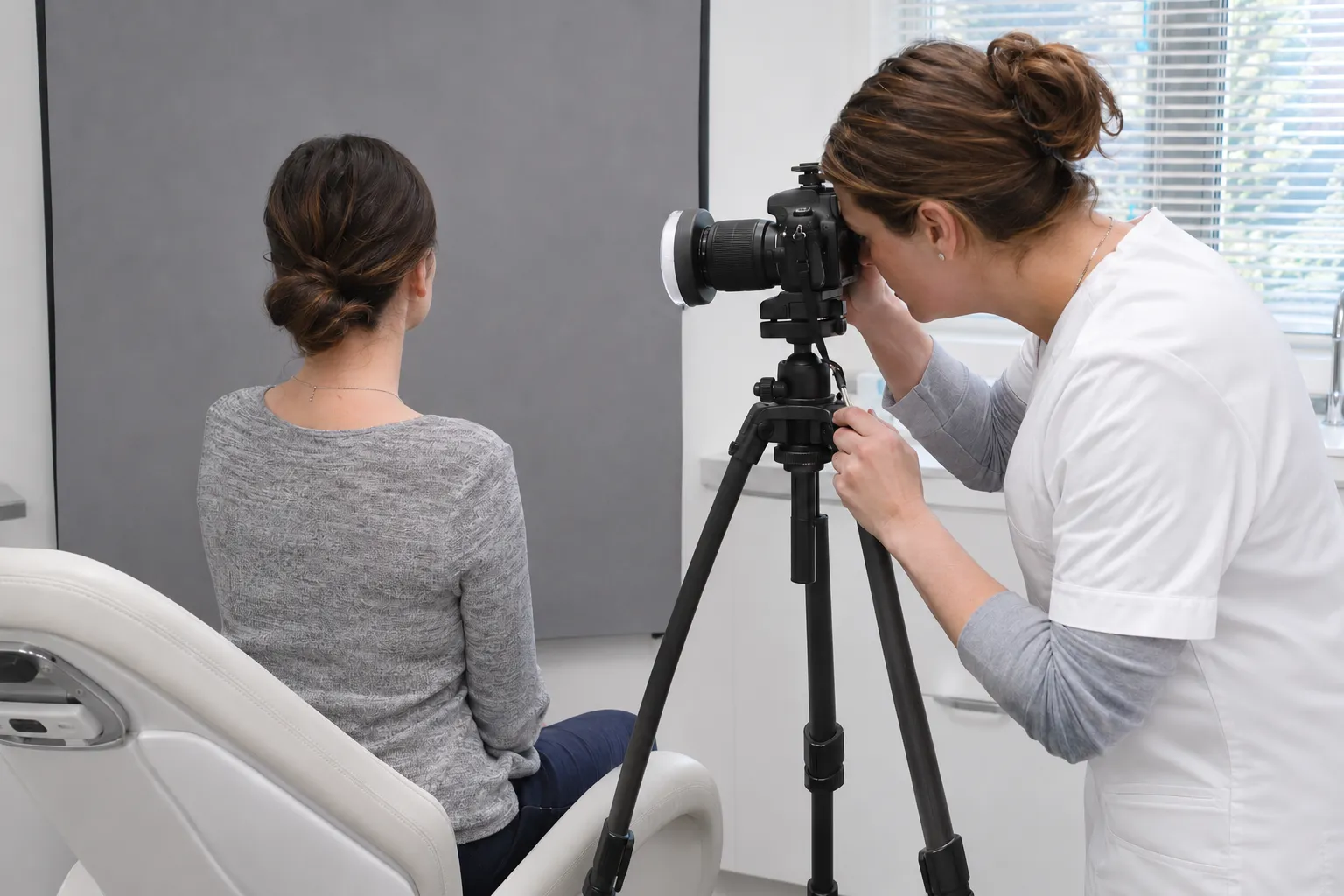
A flush across the cheeks, first seen on a Riverside summer afternoon, is one question. By the following summer it can be a different one.
Summer
You notice the redness and note the date. The question at this stage is narrow: is this new, and is it changing?
Autumn
You read. A dermatologic surgery society's page on the many causes of facial redness states that facial redness can be caused by a number of conditions. That alone is a reason not to guess which one is yours.
Winter
You book a dermatologist's examination and bring the date from summer. The question shifts from what it is to what the plan should be.
Spring
You plan for the months of stronger sun. If sun exposure is part of your history, a dermatology academy explains how dermatologists treat sun-damaged skin.
The next summer
You compare this summer with the last. Is the redness the same, smaller or larger? That answer sets the next question, and the one after it.
A leg vein or a course of chemical peels can be followed the same way. Each stage asks something different, and planning one step past the next fix keeps the sequence in view.
Write down the date you first noticed the change. Every later question starts there.
The concern stays. The questions move.